
Best Crypto Cards in Australia (2026): 5 You Can Get, Fees and ATO Tax
Key Takeaways
- Five crypto cards are officially open to Australian residents today: Wayex, ether.fi Cash, Jupiter Card, Bitget Wallet Card and RedotPay. Each one was checked against the issuer’s own pages on 3 November 2026.
- Cheapest if you hold Australian dollars: Wayex charges nothing to spend A$ and nothing to deposit by PayID or bank transfer; only crypto-funded spending carries a 0.40% conversion fee at the entry tier.
- Highest published cashback: ether.fi Cash Core pays 3% in ETHFI on the first US$2,000 of spend each month, but adds an FX margin of 0.5% on A$ purchases.
- On A$1,500 of spend a month, Jupiter nets about +A$3 (2% cashback minus 1.8% FX) and RedotPay costs about A$33 (1.2% + 1%) with no cashback listed on its fee pages.
- Spending crypto is a CGT event for the ATO, unless the crypto qualifies as a personal use asset. Keep your own records: the ATO says exchange statements alone are not enough.
Which Crypto Card Should an Australian Pick?
My view after comparing the issuer pages: the honest answer to “best crypto card australia” depends on how you fund it. I would start with Wayex if you hold A$ and want a cheap everyday card, and add ether.fi only if you already hold crypto you plan to spend. Here is how the five cards fit different uses.
- You hold A$ and want the lowest running cost: Wayex. A$ spend and A$ deposits are fee-free, a digital card is free and the physical card is A$14.99.
- You want the most cashback: ether.fi Cash. 3% on the first US$2,000 a month beats the others on paper, and it is paid in ETHFI, so the A$ value moves.
- You keep stablecoins on Solana: Jupiter Card. 2% cashback up to US$100 a month, but 1.8% FX and no ATM withdrawals on the card Australians are issued.
- You already use a self-custody wallet: Bitget Wallet Card. 2% by default, 3% once you hit the monthly spend threshold, and no annual fee.
- You just want a quick virtual card funded with USDT: RedotPay. Cheap to open (US$10) but the stacked 1.2% + 1% costs add up fast on everyday spending.
Crypto Cards Available in Australia: Fees and Rewards Compared
Fees below are the issuer’s published figures, in the currency they publish them. Rewards are paid in tokens or USDC, so their A$ value changes. Last checked 3 November 2026.
| Card | Card cost | Cost on A$ purchases | Cashback | ATM | Australia (official page) |
|---|---|---|---|---|---|
| Wayex | Digital free; physical A$14.99 | No FX markup; A$ spend 0%; crypto conversion 0.40% falling to 0% with 30-day volume | None published | Australian ATMs only; conversion fee applies | Built around A$ deposits (PayID, BSB) |
| ether.fi Cash (Core) | Free to join; 1 free virtual card; physical US$50 | FX base rate plus 0.5% margin | 3% in ETHFI on first US$2,000/month | 10 free withdrawals/month | Australia on the physical-card list |
| Jupiter Card | No annual fee; physical US$13.13 plus shipping | 1.8% FX on non-USD (DCS issuer) | 2% up to US$100/month | Not available on this card | Australia on the supported list |
| Bitget Wallet Card | No annual fee | No single rate published; assetback offsets most top-up and conversion costs | 2% default; 3% at the monthly threshold | Not stated on pages read | Australia on the eligible list |
| RedotPay | Virtual US$10; physical US$100 | 1.2% on non-card-currency purchases plus 1% crypto conversion | None on the fee pages (US$5 sign-up reward is spend-only) | 2% on a USD card | Australia not on the restricted list |
Sources: ether.fi countries, ether.fi benefits, Jupiter fees, Bitget Wallet Card, Wayex fees, RedotPay fees.
What A$1,500 a Month Costs on Each Card
Take a household that puts A$1,500 a month through the card, paid from crypto. Cost and reward below apply each published percentage to that amount; reward values are before price moves.
| Card | Fees on A$1,500 | Reward on A$1,500 | Net |
|---|---|---|---|
| Wayex | A$6 at the 0.40% entry tier (A$0 if paying from an A$ balance) | None published | -A$6 to A$0 |
| ether.fi Core | A$7.50 margin (0.5%) plus the FX base-rate spread | A$45 in ETHFI (3%) | About +A$37.50 before the base spread |
| Jupiter (DCS) | A$27 (1.8%) | A$30 (2%) | About +A$3 |
| Bitget Wallet Card | Top-up and conversion rates not published as one figure | A$30 (2%) or A$45 (3%) | Bitget says the reward typically covers most fees |
| RedotPay | A$18 (1.2%) plus A$15 (1%) = A$33 | None listed | About -A$33 |
The gap is mostly FX. ether.fi and Jupiter only come out ahead because their cashback is bigger than the conversion cost, and ether.fi’s cashback stops at US$2,000 a month. Anyone spending far more should price the higher tiers at the issuer’s own pages.
The Five Cards in Detail
Wayex: the A$ Native Option
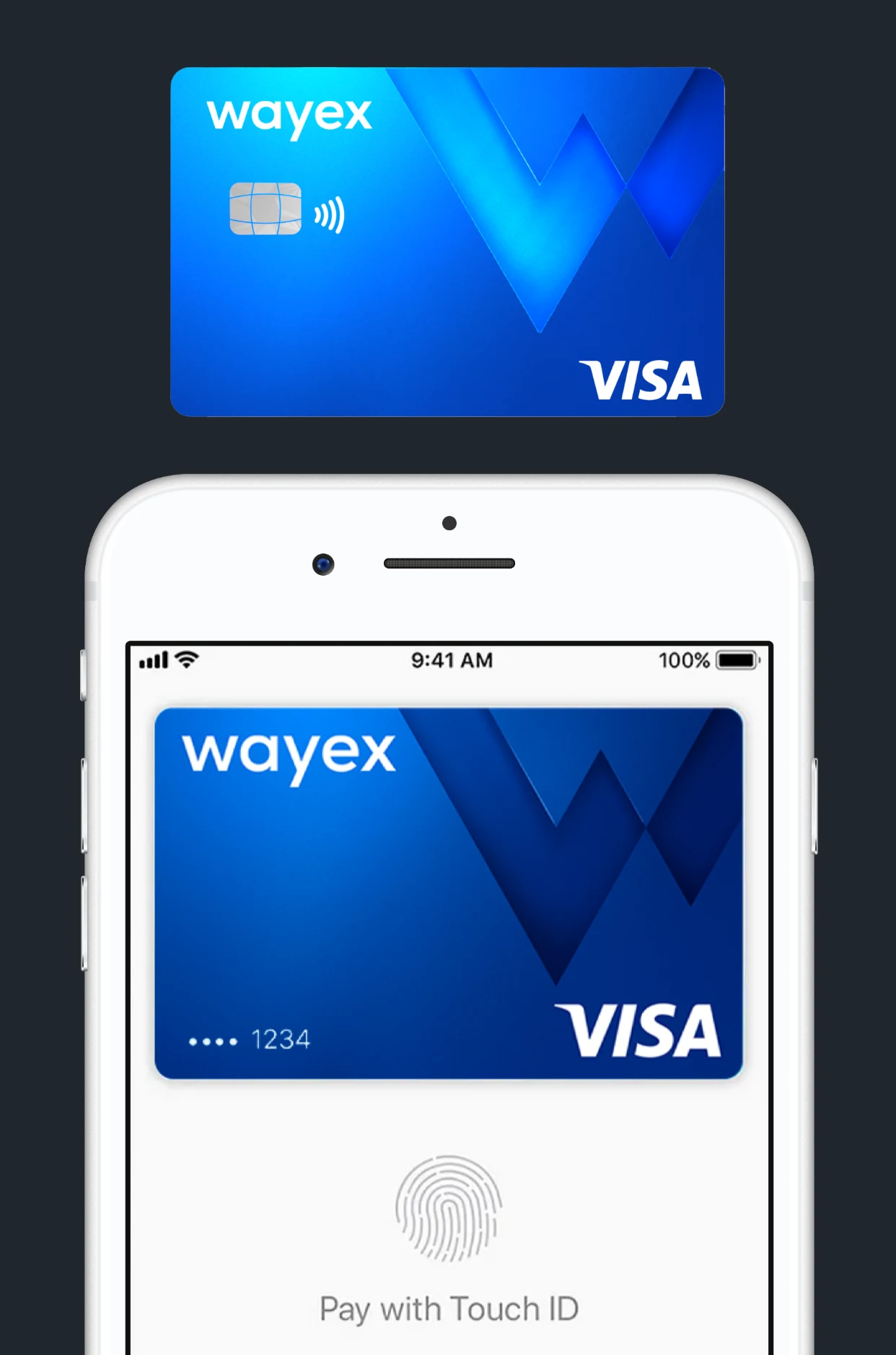
Wayex is built around Australian dollars. You can deposit A$ by PayID or by BSB and account number, but only from a bank account in your own name: third-party deposits are rejected, and a first deposit can take 12 to 48 hours. After that, deposits are instant. Spending A$ costs nothing, and the conversion fee on crypto spending starts at 0.40% and drops to 0.00% as your 30-day volume grows. ATM cash is limited to Australia. Read the Wayex fee page before depositing.
Australian App Store reviews are mixed. A 30 November 2024 review says deposits typically took two days and that support was unhelpful when a balance showed zero; a 24 May 2024 review says Wayex asked for source-of-funds details after a A$10,000 deposit. Others praise the interface and low conversion costs.
ether.fi Cash: Highest Cashback
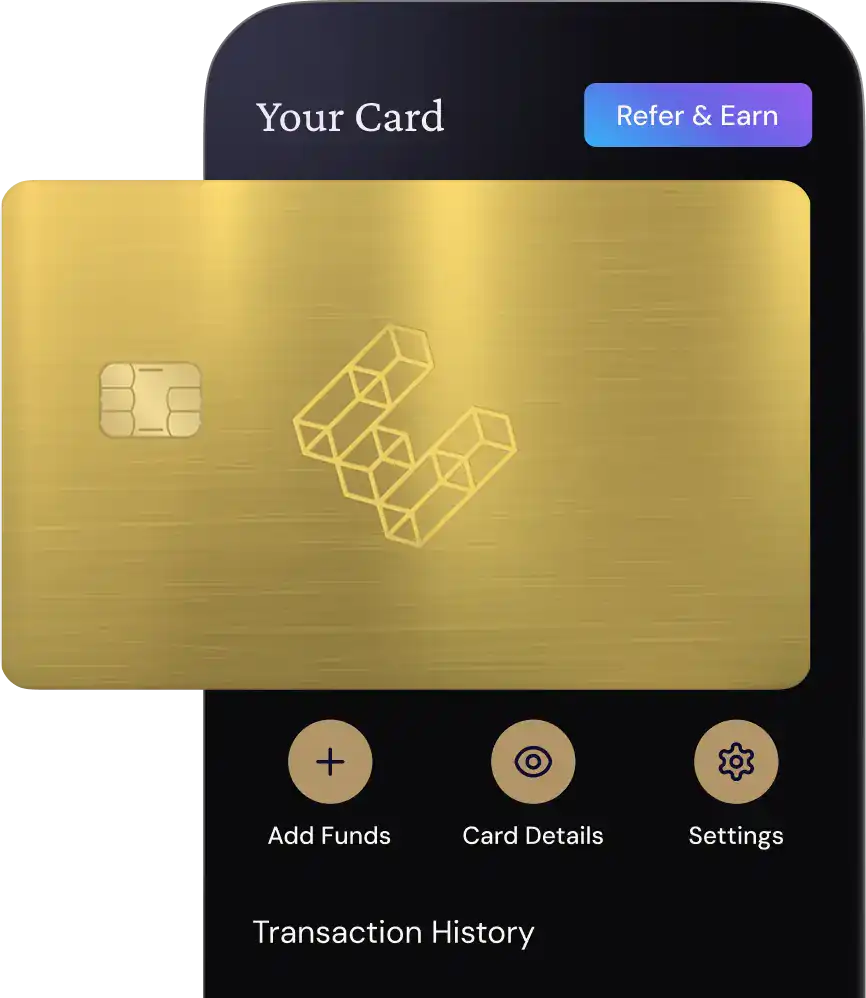
ether.fi lists Australia among the countries where a physical Cash card is available, subject to KYC. Core members get one free virtual card (Australia is not on the list of regions that pay US$10 for it), 3% cashback on the first US$2,000 of monthly spend, and ten free ATM withdrawals a month. Cashback arrives as ETHFI after a 7-day lock. Purchases in currencies other than USD or EUR, which includes A$, carry the FX base rate plus a 0.5% margin on Core. The first step is to open an ether.fi account, then verify your identity in the app. More detail in our ether.fi Cash review.
One Australian App Store reviewer wrote in December 2025 that it is “way cheaper than a normal credit card”; the same store also shows a September 2025 complaint about the sign-up form. Treat both as individual experiences.
Jupiter Card: Solana Stablecoins
Australian residents get a Jupiter Card from the DCS issuer. You deposit USDC or USDT on Solana (no processing fee on direct Solana deposits), and the card balance is shown in US dollars. Base cashback is 2% up to US$100 a month; non-USD payments carry a 1.8% FX fee, the DCS card cannot withdraw cash at ATMs for now, and the daily spending limit is US$50,000. If you do sign up, use the in-app code field when you create your Jupiter account. A referred friend earns US$20 after spending US$1,000 within 30 days of card activation. Our Jupiter Card guide covers the steps.
Bitget Wallet Card: For Wallet Users
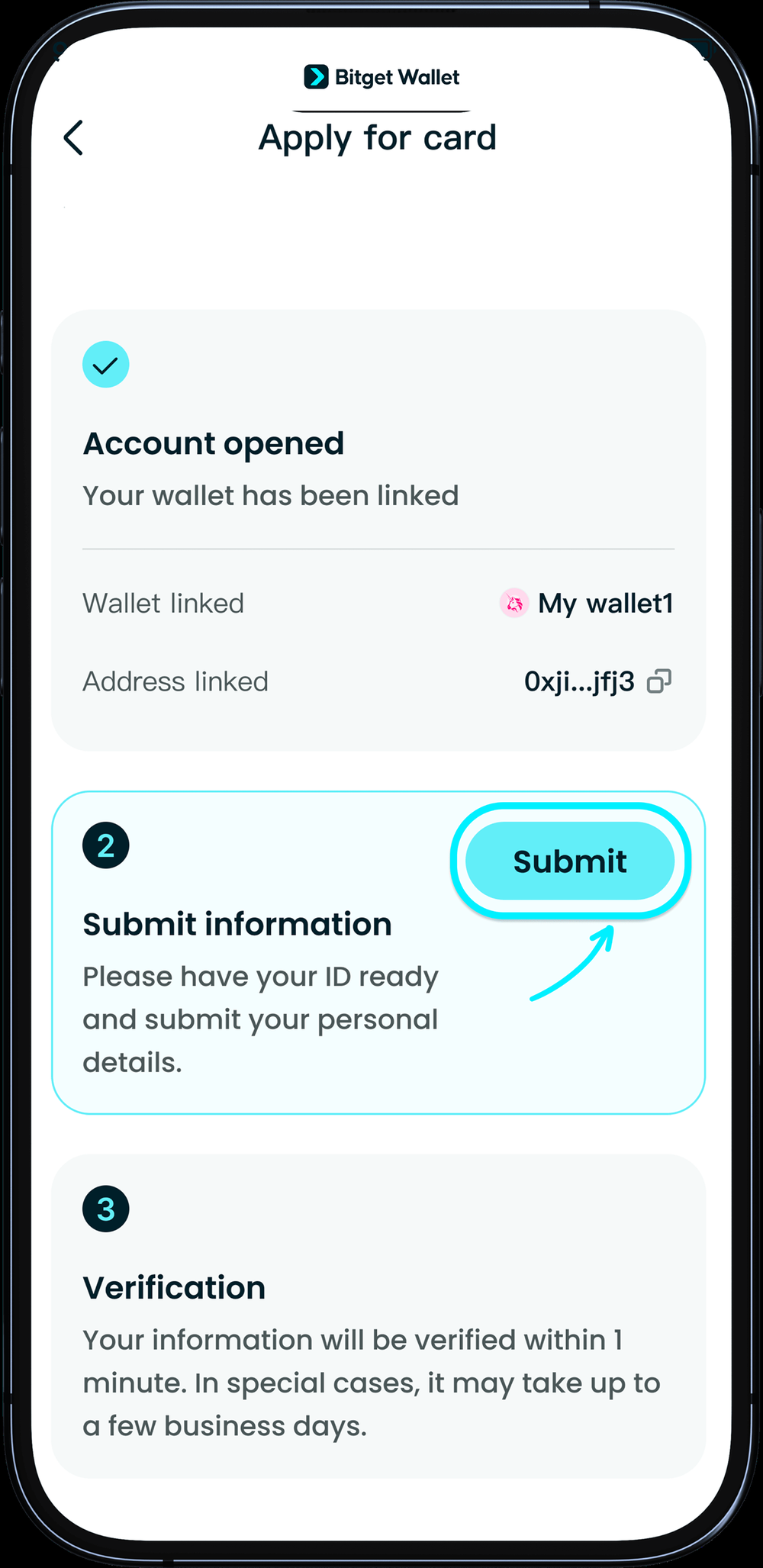
Bitget lists Australia among eligible countries and in the physical-card list. Apply from Pay then Card in the Bitget Wallet app; verification usually takes about a minute if your information is complete. Every cardholder gets 2% cashback by default, and new cardholders or those who reach the monthly spend threshold ($200 to $400) get up to 3% in assets such as BTC or USDC. Bitget says that reward typically covers most top-up and conversion fees, but it does not publish a single rate. Download Bitget Wallet to start, or read the Bitget Wallet Card walkthrough.
RedotPay: Quick USDT Card
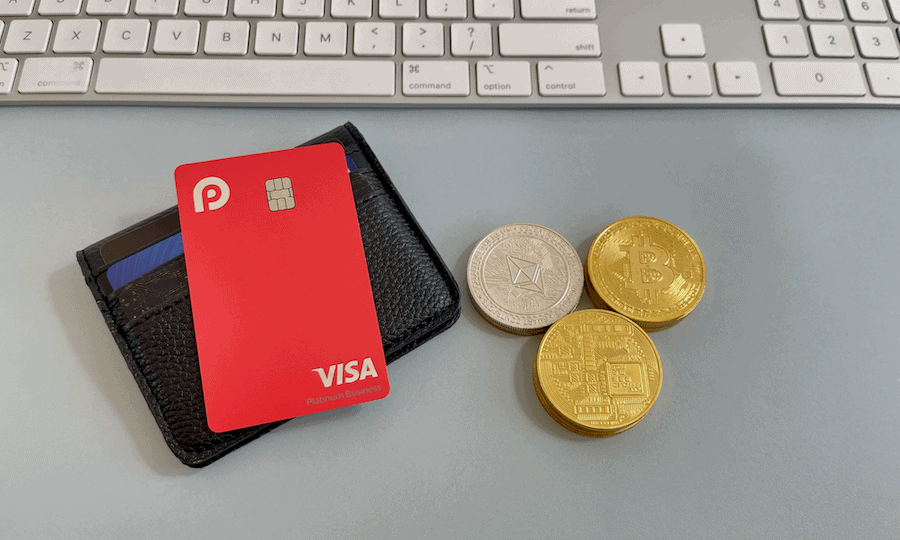
RedotPay’s card-issuance and access restriction lists, both dated 28 August 2026, do not include Australia. A virtual card costs US$10 and a physical card US$100. Spending in a currency other than the card’s costs 1.2%, crypto conversion costs 1%, and ATM withdrawals on a USD card cost 2% up to US$10,000 a month. The US$5 sign-up reward is for spending only and cannot pay the issuance fee. Details in our RedotPay card guide.
How to Fund a Crypto Card From Australia
- Wayex: deposit A$ by PayID or BSB from your own bank account, then spend A$ directly at no fee.
- The other four: buy USDT or USDC on an exchange, then send it to the card. Pick an exchange listed on the AUSTRAC public register and check which bank-transfer or PayID options it offers.
- Network fees: Jupiter charges nothing on direct Solana deposits; deposits from other networks cost at least US$0.30.
For a wider comparison of cards by country, see our crypto card finder or the New Zealand roundup.
ATO Tax on Crypto Card Spending
The ATO lists “buy goods or services with a crypto asset” among the transactions that trigger a CGT event, so each card payment is a disposal. Two rules decide what that means for you:
- Personal use asset: a capital gain is exempt if the crypto is a personal use asset (kept or used mainly to buy items for personal use) and you acquired it for less than A$10,000. Crypto held as an investment does not qualify just because you spend some of it. Losses on personal use assets are ignored. See the ATO personal use asset page.
- 50% discount: if you owned the crypto for at least 12 months and are an Australian resident for tax purposes, the gain is reduced by 50%. The ATO says CGT changes announced in the 2026–27 Federal Budget do not apply to Tax Time 2026, so check its CGT discount page for current rules.
A simple example: you spend ETH you bought for A$2,000 when it is worth A$2,600. That is a A$600 gain. If you held it 12 months and it is not a personal use asset, A$300 is added to your taxable income; swiping stablecoins bought days earlier creates almost no gain. The ATO also runs a crypto asset data-matching program, and its tax professionals’ newsroom says taxpayers must keep their own records of every buy, sell, swap and transfer because exchange records are not enough.
Cards Left Out of This List
| Card | Why it is not ranked |
|---|---|
| Bybit Card | Bybit’s 2026 country-availability page lists Australia as not currently available. Third-party reviews say otherwise, so treat it as unavailable until Bybit says so. |
| Kast, Tria, Avici | None publishes an Australia country list. Tria’s help page says you pick your country in the app, and applications from unsupported countries are rejected. |
| Ready Card | Ready says it is no longer building a crypto neobank (Ready announcement). |
| Crypto.com, Coinbase, Pionex | Not re-checked for this update, so no figures are quoted. |
Frequently Asked Questions
Do I pay tax when I use a crypto card in Australia?
Usually yes. The ATO treats buying goods or services with crypto as a CGT event. A gain can be exempt if the crypto is a personal use asset acquired for less than A$10,000, and a 50% discount applies after 12 months of ownership for residents. Ask a registered tax agent about your situation.
Can the ATO see my crypto transactions?
The ATO runs a crypto asset data-matching program that compares what you report with data on crypto transactions from designated service providers. It also says exchange records are not enough, so keep your own history of every buy, sell, swap and transfer.
Which crypto card is best in Australia?
It depends on how you fund it. Wayex is cheapest if you hold A$; ether.fi Cash has the highest published cashback (3% on the first US$2,000 a month) but adds a 0.5% margin on A$ purchases; Jupiter nets about +A$3 on A$1,500 a month; RedotPay is the most expensive to run.
Is there an Australian crypto card?
Wayex is the one built around A$: PayID and bank-transfer deposits, no fee to spend A$ and a free digital card. The others are international cards that convert at the point of sale.
Can I get the Bybit Card in Australia?
Bybit’s own 2026 country-availability page lists Australia as not currently available, even though some third-party reviews say it is live. Check the Bybit app before paying any fee.
Can I withdraw cash from an ATM?
ether.fi Core includes 10 free ATM withdrawals a month. Wayex allows ATM withdrawals in Australia only. RedotPay charges 2% on a USD card. Jupiter’s DCS card for Australians cannot withdraw cash for now.
Last updated: 3 November 2026. Disclosure: this page contains referral links (ether.fi, Jupiter, Bitget Wallet, RedotPay); the referring party may earn a reward if you sign up through them, at no extra cost to you. Jupiter referral code: EN8EREGZ. Fees, cashback and availability come from each issuer’s own pages and can change. Not financial, legal or tax advice.